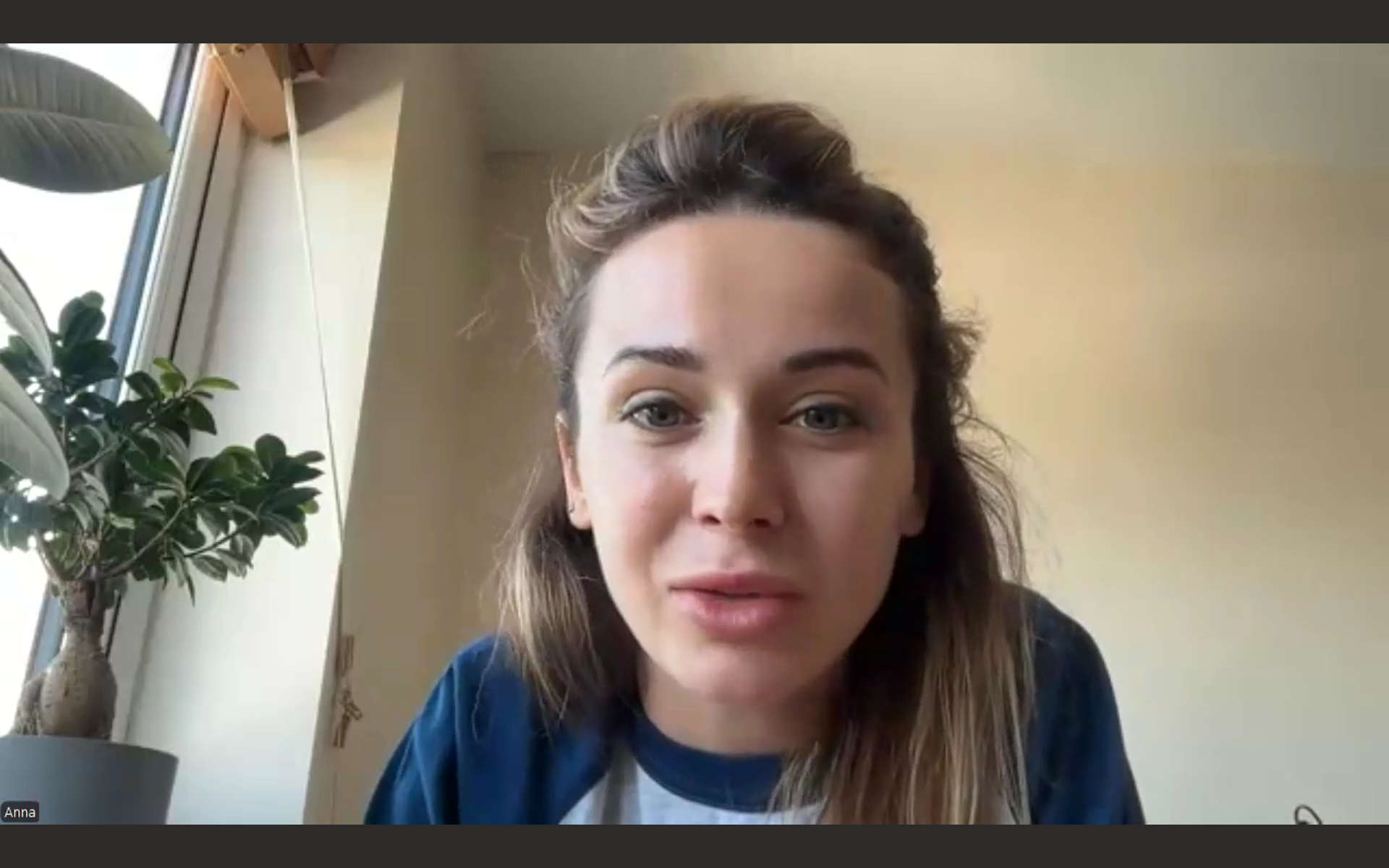
Anna Ponomarenko, the Olympian known as B-Girl Stefani, has opened up about waking up paralysed, competing at seven months pregnant and her thoughts on Raygun’s viral performance.
Olympic break-dancer Anna Ponomarenko, known globally as B-Girl Stefani, opened up about the moment that doctors told her surgery was her only option and her dancing was over.
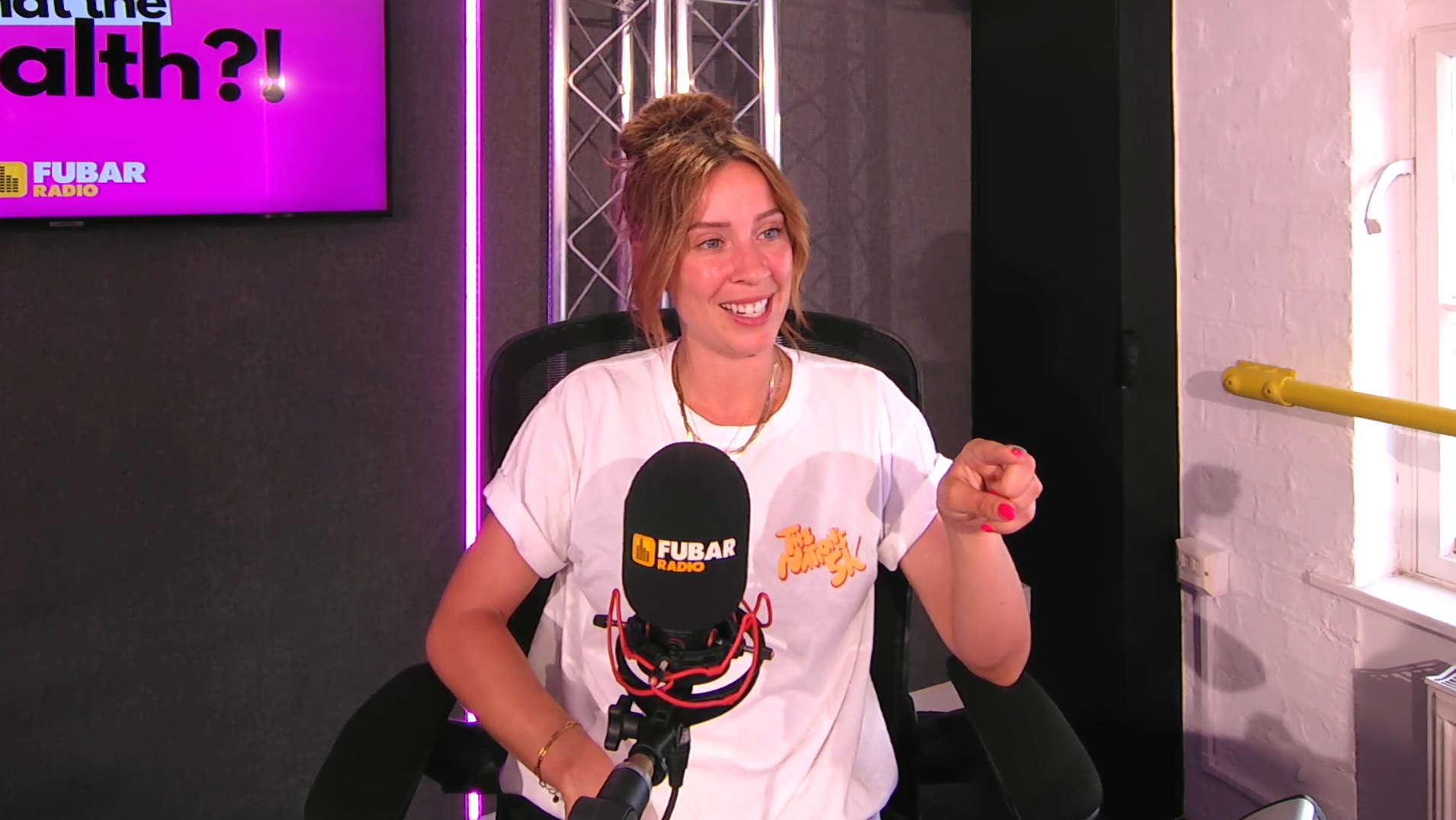
Speaking to host Claira Hermet on the What The Health?! show on FUBAR Radio, Anna, who recently won the Red Bull BC One Cypher UK for a third time and will represent the UK at the World Final in Toronto in November, described the morning in 2017 when she woke up in a Turkish hotel room unable to move her upper body:
"I couldn’t move my upper body, my arms, my hands, my head. It was kind of like a dream. I couldn't understand what was going on, so I just started to scream and ask for help. They called the ambulance and took me straight to the hospital."
Diagnosed with a herniated disc in her neck pinching both nerves in her spinal cord, she was told immediate surgery was essential, but that it would mean the end of her dancing career:
"The doctors told me it was a really dangerous situation. Because they said the hernia was quite big and it was pinching both my nerves, there was a big chance that it would destroy them and I would never move my upper body again. They told me that we had to do the surgery immediately but that I wouldn’t be able to dance anymore as it’s so dangerous for my neck. You can’t be prepared for hearing that.”
They told me that I could take the risk, not have surgery and slowly recover maybe. When they said there is a chance, there is a second option, there is a chance you can recover, for me, it was like, there is just one option: you can recover. That's it. I didn't hear anything else."
What followed was months of electrical therapy, physiotherapy and painstaking rehabilitation:
"The first couple of weeks, I couldn't move my hands at all. I couldn't move my fingers, nothing. So I was just doing this electricity [therapy] until at least I started to move my fingers a little bit. I remember after maybe a month I could take my phone from the table, and it was so interesting because I felt like the one small phone weighed 20 kilograms. It was super heavy. But I was so proud that I could take it."
When breaking was announced as an Olympic sport in 2020, Anna was living in London and had already decided it was time to start a family. What she didn't anticipate was that the day she found out she was pregnant, Russia would invade Ukraine.
"As soon as I started to feel a little bit better with all this situation in my country, the Federation told me there is Olympic Games and we put you in the team. And I had to tell them that I probably can’t because I'm pregnant. And it was a shock. I've been waiting for this all my life, and now I can't do it because I'm pregnant. Like, seriously?"
The response from the federation was blunt: she was effectively removed from consideration. Rather than accept it, Anna went alone.
"I told my Federation I want to go. And they said, if you want, go by yourself because you're not in the team. And I said okay, I'm going to go by myself."
She travelled to Madrid at four months pregnant, funded entirely by herself, and brought home bronze the first Olympic qualification medal Ukraine had received in breaking.
"I was just in shock. I was so motivated. How strong women are. Why are people turning away from us? Like, we're pregnant, that's it, bye. Like we're sick. But we're not sick."
She continued competing until seven months pregnant and kept training right up until the birth. Four days after her daughter Milana was born, she was back in the gym.
"I had the baby in November. In the middle of January was the first qualification in Japan. I knew that no matter what, I had to go. So the next day, I just booked the ticket to Japan."
Two months after giving birth, she flew to compete. She finished fifth in the world.
"I understood that if I could do that after labour, what could I do with more time? Every time someone told me it was impossible, that just motivated me because I wanted to prove that everything is possible."
Asked about the viral controversy surrounding Australian break-dancer Raygun at the Paris Olympics, Anna said it was “so sad” what the coverage cost the sport:
"I always try to be as far as possible from this topic. Breaking is a sport where we don't have borders. We don't have boxes of movements. We have so many people with an original style. It wasn't really her fault. This is just the rules which the Federation built, the way the qualifications were set up. It's not her fault that in her country there are not many b-girls."
"So many athletes had been getting ready for that, preparing themselves through so much pain, so much time, so much of everything. They wanted to show the world how beautiful we are, how amazing our sport is and how much we deserve to be there. And all the world saw was the memes. It's just so sad."
 From Long Shot to Downing Street: The Burnham Blueprint
 World's Fastest Female Wingsuit Pilot Opens Up About Horrific Accident That Almost Killed Her
 The Woman Told She'd Never Walk Again, Now She’s Running 50K a Day
 “We Must Keep a Potential Social Media Ban in our Arsenal”
 Katie Piper OBE: "Women Can Be Old, But They Mustn't Look Old"
 Former Pentagon Official Warns US-Iran Conflict Is 'Several Months' Long - and the UK Is Already Paying the Price
 Deputy Green Party Leader Slams Nick Timothy for Dangerous Islamophobia Dog Whistle
 Scarlett Moffatt Reveals Wedding DISASTER As She Struggles To Organise Big Day
 Cheryl Fergison Reveals Mum Kept Her a Secret and the Celebrity She Wants to Team Up With for a Charity Single
 Gemma Collins Reflects on Her Most Iconic Viral Moments
 "One of the worst” - Viral X Factor Contestant Claims Simon Cowell Has Always Remembered Him
 Josh Oyinsan Opens Up About New Partner And Gives Update On Mimii Ngulube
 Owner of Viral Parrot Chanel Reveals How Much She’s Made From The Video
 Celebrity Big Brother Star Shares Heart Breaking Reason For Going On The Show
 X Factor’s Wagner Reveals Transformation After Failed Hair Transplant Business In Brazil
 Survivor Winner Reveals It Took Him Years To Recover From Weight Loss On Show